

No products in the cart.
How RCCBs Protect You from Electric Shocks in the Bathroom
Bathrooms are among the most dangerous places in a home when it comes to electrical safety. Water is an excellent conductor of electricity, and when it mixes with faulty wiring or damaged appliances, the risk of electric shock increases significantly.
That’s why modern homes — especially in Nairobi and across Kenya — are now fitted with Residual Current Circuit Breakers (RCCBs) to enhance electrical safety.
In this guide, Moffam Electricals explains how RCCBs protect you from electric shocks in the bathroom, how they differ from other circuit breakers, where to install them, and why they are a must-have for every Kenyan home.
What Is an RCCB?
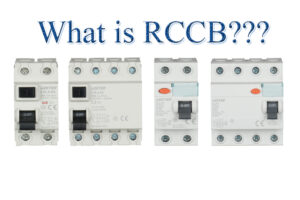
An RCCB (Residual Current Circuit Breaker) is a protective electrical device designed to detect and cut off electrical current when a leakage or fault occurs.
In simple terms, an RCCB protects you from electric shock by immediately disconnecting power when electricity flows through an unintended path — such as through your body or water.
It constantly monitors the current flowing through live and neutral wires. Under normal conditions, the current in both wires is equal.
However, if there’s a leakage, meaning some current is flowing elsewhere (like through a wet wall or human contact), the RCCB detects the imbalance and cuts off power in less than 30 milliseconds.
Why Normal Circuit Breakers Can’t Stop Electrocution
Many homeowners assume that their MCB (Miniature Circuit Breaker) or fuse box will protect them from electric shock — but that’s not entirely true.
An MCB protects against overcurrent or short circuits, not leakage current. It trips when there’s a surge of electricity that could damage appliances or wiring.
However, an MCB does not detect current leakages through the body or through water.
That’s where the RCCB (or RCD, ELCB, RCBO) comes in. It is specifically designed for personal protection, ensuring that even small leakages (as low as 30 milliamps) trigger an instant disconnection — often before you even feel the full shock.
How RCCBs Prevent Electrical Shocks in Bathrooms
Bathrooms combine water, metal, and electrical appliances — a dangerous mix. Devices such as water heaters, instant showers, electric razors, and lighting fixtures pose potential hazards if not properly protected.
Here’s how an RCCB keeps you safe:
1. Detects Current Leakage Immediately
If a live wire inside your shower heater or water heater touches the metallic casing or leaks into the water, the RCCB senses this leakage instantly. It then disconnects power, preventing you from receiving an electric shock.
2. Cuts Power Faster Than You Can React
Electric shocks happen in microseconds. The RCCB’s response time (20–30 milliseconds) is faster than human reaction time, meaning it interrupts the circuit before the current can harm you.
3. Prevents Electrical Fires
Leakage currents not only cause shocks but can also generate heat, leading to electrical fires. RCCBs detect these small leakages early and cut off power before wiring overheats.
4. Offers Continuous Monitoring
RCCBs constantly monitor electrical flow 24/7. Even a tiny imbalance triggers disconnection, ensuring your bathroom circuits are always under protection.
5. Enhances Earthing Protection
In homes with poor earthing, leakage currents can easily cause shocks. RCCBs act as a backup safety system, providing protection even when grounding is insufficient.
Difference Between RCCB, RCD, ELCB, and RCBO
Electrical protection devices often come with confusing acronyms. Let’s clarify:
| Device | Full Form | Protection Type | Protects Against |
|---|---|---|---|
| RCCB | Residual Current Circuit Breaker | Leakage Current | Electric Shock & Fire |
| RCD | Residual Current Device | Leakage Current | Electric Shock & Fire |
| ELCB | Earth Leakage Circuit Breaker | Earth Leakage | Electric Shock (older type) |
| RCBO | Residual Current Breaker with Overcurrent | Leakage + Overload | Shock, Fire, Overload |
In modern homes, RCCBs and RCBOs are preferred because they combine speed, accuracy, and dual protection.
Where Should an RCCB Be Installed?
To maximize protection, RCCBs should be installed strategically in your home.
For bathroom safety, install an RCCB on the circuit that powers your water heater or instant shower.
Other key installation points include:
-
Kitchen circuits (for cookers and water dispensers)
-
Outdoor sockets or garden lighting
-
Laundry areas (for washing machines)
-
General lighting and socket circuits
Tip: Always ensure RCCB installation is handled by a qualified electrician. Incorrect wiring or low-quality devices can render it ineffective.
At Moffam Electricals, we specialize in RCCB installation, testing, and maintenance for homes, offices, and commercial buildings across Kenya.
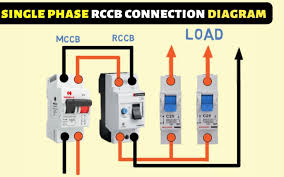
How an RCCB Works: Step-by-Step
-
Normal Condition:
Current flows equally in live and neutral wires. -
Fault Occurs:
If electricity leaks (for example, due to damaged insulation or wet contact), there’s a difference between live and neutral current. -
Detection:
The RCCB detects this imbalance (called residual current). -
Trip Mechanism Activated:
The device immediately disconnects the circuit — cutting off the flow of electricity. -
Power Restored Safely:
Once the fault is identified and repaired, the RCCB can be reset manually to restore power.
Can You Use RCCBs at Home?
Absolutely. In fact, it’s highly recommended to install an RCCB in every modern Kenyan home.
Many new housing projects in Nairobi, Kiambu, and Machakos already include RCCB protection as part of standard electrical safety systems.
RCCBs are not only for large buildings — they can be installed in:
-
Residential apartments
-
Standalone houses
-
Hotels and lodges
-
Schools and hospitals
-
Industrial buildings
Even small homes benefit immensely from RCCB installation, especially if you use instant showers, water heaters, or metal piping.
How to Choose the Right RCCB
When selecting an RCCB for your home:
-
Choose the correct rating (commonly 30mA for personal protection).
-
Ensure it complies with IEC standards (IEC 61008 or 61009).
-
Opt for reputable brands such as Schneider, Hager, ABB, or Havells.
-
Have it installed and tested by a licensed electrician.
Protection Against Electric Shock in Buildings
Modern electrical standards in Kenya emphasize protection against indirect contact and leakage currents.
Under the IEK and KEBS guidelines, all bathrooms, kitchens, and outdoor circuits should include RCCB protection.
Without such protection, users are vulnerable to:
-
Fatal electric shocks
-
Fire caused by leakage currents
-
Damage to water heaters and instant showers
-
Dangerous electrical surges during rainy seasons
At Moffam Electricals, we help property owners upgrade to RCCB-based systems that meet these safety standards while reducing power-related risks.
Why Your Circuit Breaker Alone Isn’t Enough
Many people ask: “Why doesn’t my normal circuit breaker stop electrocution?”
The answer is simple — traditional breakers respond to current overload, not to minor leakages.
If a live wire touches a metallic surface or water pipe, the current leakage might be too small for an MCB to detect but still large enough to cause serious harm.
Only an RCCB or RCBO can detect this small residual current and disconnect instantly, preventing tragedy.
Benefits of Installing an RCCB in Your Bathroom Circuit
-
Prevents fatal electric shocks
-
Reduces risk of electrical fires
-
Complies with Kenyan electrical safety regulations
-
Protects water heaters, instant showers, and lighting
-
Enhances overall electrical safety and reliability
-
Adds value to your home or rental property
Final Thoughts: Why Every Kenyan Home Needs an RCCB
Electricity makes life easier, but without proper protection, it can also be dangerous — especially in wet areas like bathrooms.
Installing an RCCB ensures your loved ones are safe from electrical shock, even in unexpected circumstances.
If you notice electric shocks from water taps, flickering shower units, or tripping circuits, contact Moffam Electricals for a professional inspection.
We specialize in:
-
RCCB and RCBO installation
-
Electrical fault diagnosis
-
Bathroom safety system upgrades
-
Earthing and surge protection systems
Contact Moffam Electricals Today
For safe, reliable, and compliant RCCB installation in Nairobi, call Moffam Electricals.
Our certified electricians will assess your home and ensure your bathroom, kitchen, and entire electrical system are protected from shock and fire risks.


Add comment